










































One Touch Sexual and Reproductive Health Campaign
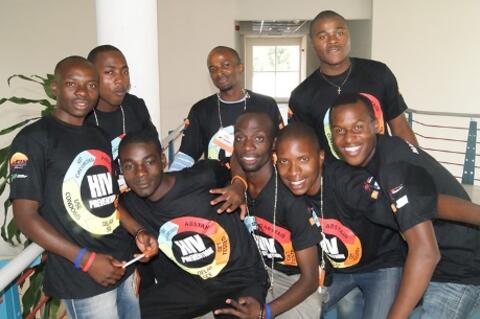
The project is using social media based dialogues and discussions to "open up a strategic space for young people to debate among themselves, share ideas, and learn from each other on how best they can deal with the various challenges that they face as young people." This includes using platforms such as Facebook, Whats App, Bulk SMS, Skype and others.
The first phase of the project involved sending high-quality, pre-designed one way bulk SMS text messages to 15,000 students in tertiary institutions with different messages on prevention, management, and care of different sexual and reproductive health issues, including HIV. At the same time, SAYWHAT updated their website and used films screened in the institutions to re-enforce learning. The campaign also resulted in the expansion of the SAYWHAT Facebook page which had an average reach of 31,252 per week during the campaign.
TTC provided a two-day introductory training to UNESCO Zimbabwe and SAYWHAT on the use of mobile telephony, specifically the use of SMS to influence behavioural change in a positive way. In this introduction TTC covered technical concepts like short codes, keywords, operators and aggregators, and went into detail regarding the use of the bulk text messaging platform called
Vusion, which was developed by TTC in partnership with the Praekelt Foundation.
During the second phase of the project, a more tailored and interactive SMS communication was used. Students sign up to receive regular text messages on different topics ranging from sexually transmitted infections (STIs), sexual harassment, positive living and cancer, in addition to posting their own questions and comments on any sexual and reproductive health issue.
According to TCC, "students were engaged from the onset in project design, implementation and monitoring, including identification of key sexual and reproductive health issues for discussion." Key messages were identified and developed by young people using best practice for health communication and the International Technical Guidance on Sexuality Education." The messages covered issues related to relationships; understanding, recognising and reducing the risk of STIs; how to convince a partner to use a condom; skills for saying no to sex; how to use a male condom; and alcohol and substance abuse. Students also identified male and female condoms as vital SRH commodities to be made easily accessible to young people in tertiary institutions.
HIV, Sexual and Reproductive Health and Rights
Despite having a high prevalence of HIV (3.6% among young men and 7.3% among young women aged 15-24) only 52% of young women and 47% of young men in Zimbabwe have comprehensive knowledge of HIV and AIDS. According to TTC, "the internet and other communications platforms offer a unique opportunity to close this knowledge gap by providing sexual health education directly to young people in a way that is tailored to their needs." This strategy is supported by the fact that research conducted by UNESCO and SAYWHAT showed that young people often use the internet and social media as places to seek out health information.
UNESCO provided technical support on the development of appropriate educational messages for the project and is funding this unique partnership programme as part of a 4-country programme to improve the education and information available to young people on key sexual and reproductive health questions, using internet, social media and mobile telephony. This programme is being implemented in Zimbabwe, Jamaica, China and Russia.
Text to Change (TTC), the United National Education, Science, and Cultural Organisation (UNESCO), and SAYWHAT
Text to Change website and SAYWHAT website on June 11 2014.
- Log in to post comments