










































Lessons Learned from HPV Vaccine Delivery in Low-Resource Settings and Opportunities for HIV Prevention, Treatment, and Care Among Adolescents
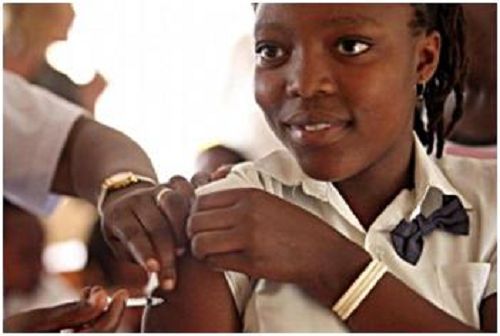
PATH (Tsu and LaMontagne); GAVI Alliance Secretariat (Cernuschi)
"The low level of knowledge on cervical cancer and HPV found in baseline formative research on the part of health workers and teachers,...let alone community members, prompted governments to provide detailed training to them to ensure that they would be able to answer questions from parents, girls, and other community members..."
This paper considers lessons learned, such as the one cited above, from the published literature on the human papillomavirus (HPV) vaccine experience to date that the authors believe are relevant to interventions that support HIV prevention, treatment, and care among adolescents in low-resource settings. As noted here, HPV is the primary cause of cervical cancer, which affects more than 500,000 women each year - with about 85% of those new cases occurring in developing countries. These vaccines prevent a sexually transmitted virus and are most effective if they are delivered to young adolescent girls (aged 9-13), a group not widely served by other health programmes in low- and middle-income countries (LMICs). These concerns led to implementation of HPV vaccine demonstration projects to generate evidence about effective ways to reach young adolescent girls. PATH, an international global health non-governmental organisation (NGO), conducted projects in collaboration with national immunisation programmes in 4 countries in Africa, Asia, and Latin America. Through various vaccine donation programmes, nearly 20 smaller demonstration projects have also been carried out in LMICs.
Having reviewed the published literature, the authors find that the lessons learned fall into 2 main categories (footnote numbers have been removed below):
- Service delivery operations - Sample communication-related findings:
- "HPV vaccine delivery experience across a range of countries has demonstrated success with using schools as an effective place to reach young adolescents....A few pilot programs delivered HPV vaccine primarily through local health centers, requiring girls and sometimes their parents to come to the facility to receive the necessary 3 doses....Two donation programs used incentives with girls - t-shirt giveaways in Haiti and tracking bracelets in Nepal - to encourage completion of all 3 doses."
- "Involving the school sector in micro-planning facilitated coordination of the timing of vaccination days with the school schedule and helped map out which health facilities would cover which schools (PATH pilots only)."
- "The national introduction of HPV vaccine in Rwanda and the HPV vaccine demonstration programs by PATH were fully integrated into the routine program structures and operations of the national immunization programs within the participating districts....Integration with the provincial cervical cancer screening program was reported in the South African pilot, in which bags containing screening information were given to girls on the first vaccination dose....There are anecdotal reports that, in many areas, efforts to raise awareness about cervical cancer in preparation for vaccine programs also created demand for cervical screening services."
- "Training was critical to the preparation of staff to successfully implement the vaccination program, especially given the potentially sensitive cultural issues involved. Training curricula were customized for the audiences trained and their specific roles in the vaccination program - detailed for health workers, including the provision of a 'field guide' to have as reference during program implementation, and less detailed for teachers. By and large, the methods included both participatory and didactic approaches and were supplemented by visual aids. Feedback from teachers during follow-up interviews suggested that teachers, in particular, appreciated the interactive training methods that were used. Having the opportunity to practice answering questions through role-play exercises and having materials especially designed for their communities made it easier for them to be effective resource people."
- Community outreach and mobilisation - Sample communication-related findings:
- "Directly addressing parental concerns, identified before vaccination, with the communication activities and materials during the vaccination exercise was also emphasized as a key reason for high levels of acceptance of HPV vaccine in the community. Clear concise messages in locally understood terms were important. In Peru and Vietnam, it was particularly important to give parents adequate time to make a decision, as many parents did not immediately consent at first offer....Research from Uganda and Vietnam suggested that the person a parent consulted with or received information from was more important than the specific education materials they received. All pilot programs reported that parents had concerns about vaccine safety and impact on future fertility, and that these concerns should be addressed in any communication activity or materials used before HPV vaccination."
- "Leaflets and posters were a common feature, as were radio announcements and other broadcasts in the community of vaccination dates and key messages. Meetings with parents at schools, health centers, or in the community were also conducted. Most programs conducted mobilization and sensitization activities before each dose of vaccine with the most intense activities occurring before dose 1. Announcements in church and use of key trusted persons, like religious or community leaders, to disseminate information were noted to be helpful."
- "The endorsement by government assured the credibility of the program, as most parents respected and trusted the work of the national immunization program as a whole. Having visible government endorsement through high-profile launches that sometimes even included the First Lady of the country were also reported to be of positive benefit....As a part of the local leader endorsement and support, education officials, teachers, school headmasters, and others affiliated with the education sector were helpful in creating an enabling environment to support the vaccination program, both before vaccinations and during immunization sessions. Crisis communication plans and managing rumors were important components of nearly all vaccination pilots....Having defined roles and clear messages enabled a rapid and effective response by respected and trusted officials when needed."
- "[I]t is important to ensure far in advance, 6-9 months, that all the appropriate national level stakeholders are fully briefed and sensitized to build the foundation of strong government endorsement before vaccination planning. After that, a cascade of mobilization and sensitization occurs at district level (3-6 months before), local level trainings, including teachers and schools (2-3 months before), and community sensitizations and awareness-raising activities at least 4 weeks before the administration of the first dose."
The discussion section of the paper explores the relevance of these findings to those working in HIV prevention.
- Operational lessons learned related to communication include, for example:
- "School delivery of health services requires careful planning and coordination with education officials at all levels, ensuring that teachers are engaged and prepared for the roles expected of them, and fitting the timing of interventions to the school calendar of holidays and examinations; the same lessons will certainly apply to HIV interventions....For equity reasons, school programs may have to be accompanied by initiatives for non–school-going adolescents, such as outreach or clinic-based service delivery."
- "It was apparent from the experience with Child Health Days in Uganda that combining HPV vaccine delivery with other interventions that were being done in the community was a cost-effective approach....The same could apply to HIV interventions, as long as the frequency of the HIV intervention matches the timing of the intervention it is combined with and care is taken to ensure that no stigma will accrue to the other interventions from the HIV message."
- "Using participatory methods to train teachers may...help model for them how to use such methods with adolescents who are transitioning from passive, rote learners to active, questioning learners."
- Community outreach and mobilisation lessons learned related to communication include, for example:
- "Local customs around consent for other interventions will set the tone for HIV interventions, as they did for HPV vaccine. One of the most important lessons was that if the intervention is singled out for special requirements, it will raise suspicions and concern that the government has reservations or the intervention is experimental."
- "Using appropriate channels where parents receive information, often from a trusted source like a health worker or teacher, is even more important where young adolescents are involved and may enhance the effectiveness of existing community awareness activities related to HIV prevention, often designed for older adolescents rather than their parents. There is no real parallel in HPV vaccination programs for the level of stigma that might attach to adolescent disclosure of positive HIV status, but the same underlying principles of building broad community support, including addressing parental concerns, should apply."
JAIDS: Journal of Acquired Immune Deficiency Syndromes, July 1 2014; 66 (Suppl 2) S209-S216 - sourced from HPVflash, July 24 2014. Image credit: International Centre for Reproductive Health (ICRH)
- Log in to post comments