










































Somali Interactive Radio Instruction Program (SIRIP)
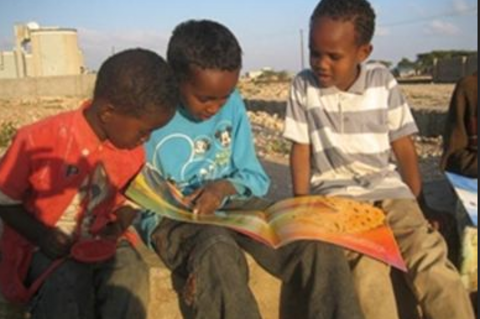
Running since 2005, the Somali Interactive Radio Instruction Program (SIRIP) provides high-quality interactive audio programmes to Somali children attending formal, non-governmental, Quranic, and community schools. In addition to basic reading and math in Somali, the programmes contain life skills content such as health, conflict prevention, and mediation, and emphasises the education of girls. An initiative of the Education Development Center, funded by the United States Agency for International Development (USAID), SIRIP radio programmes are supported by training and support materials.
The project uses audio programmes, which help teachers lead lessons with the learners. Supplemental materials accompany the programmes, providing schools with the resources to support primary-level instruction. The IRI programmes use teaching methods which include stories, activities, educational songs, and other forms of active learning, also serving as an in-service teacher training programme to model effective teaching practices. SIRIP also trained 9,471 teachers on universal teaching competencies, which are reinforced by the Interactive Radio Instruction programmes and learning materials, such as Lifeline radios, MP3 players, teachers' guides, and books.
Along with working with existing schools, SIRIP has mobilised communities to plan, start, manage, and maintain community learning centers to access out-of-school learners, in some cases building brand new schools. SIRIP has established 245 learning centers and enrolled more than 24,000 out-of-school children among displaced people and other communities.
As part of the programme, the Somali Readers Series has provided previously unavailable children's books. Somali authors and students helped SIRIP create these bilingual books for early learners, which also sparked a nationwide writing contest.
Education
According to SIRP, since it began in 2005, the project has reached over 300,000 children in grades 1 through 5, as well as an additional 25,000 previously out-of-school children through 245 new educational centers.
Education Development Center, United States Agency for International Development (USAID)
- Log in to post comments