










































The Essentials of the Right to Access Information Act - Sierra Leone: A Manual for Journalists
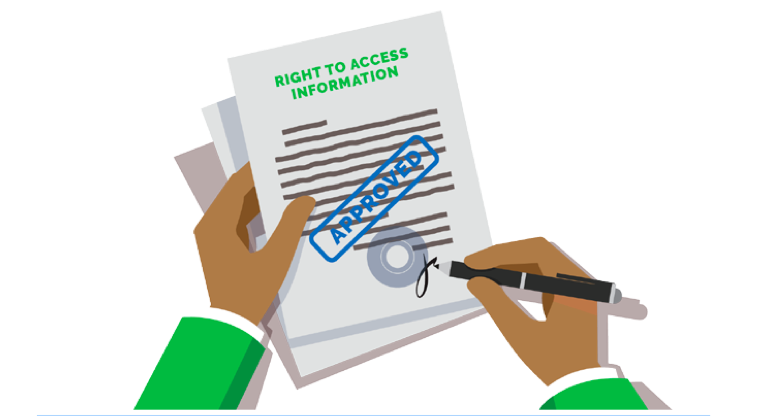
"The right to seek, access and receive information is a fundamental human right enshrined in several international and national normative frameworks."
This manual, commissioned by the Media Foundation for West Africa (MFWA), seeks to educate the public on the Right to Access Information (RAI) Act of Sierra Leone. It was produced to guide citizens, information holders, and, most importantly, journalists on how to use Sierra Leone's RAI Act to access information. It provides information about access to information laws, as well as quick tips on how journalists and other information seekers can use the laws to access information.
The manual was produced as part of MFWA's work to promote the use of access to information laws among the media and journalists in West Africa. As explained in the manual, "access to information is vital for the promotion of transparent and accountable governance. Access to information allows people to seek and receive public-held information which is critical for fighting corruption, making governments more efficient and helping people exercise their basic human rights."
The manual contains four chapters:
Chapter 1: Introduction - This chapter gives a general explanation of the right to access information and its relevance in promoting accountable governance. It also highlights the relevance of the RAI law to the media.
Chapter 2: Institutional Structures for the Operationalisation of the Right to Access Information Act - This chapter highlights the institutions and structures that support the smooth operation of the RAI law in Sierra Leone. It explains the various institutions and their roles within the RAI structure.
Chapter 3: The Right to Access Information Request and Appeal Processes - This chapter explains the steps involved in accessing information under the RAI law. It provides a checklist on what is required when requesting information under the RAI law, discusses the basis for which information requested may be refused, and lays out the processes to appeal such decisions. Issues surrounding fees and charges for information are also explained.
Chapter 4: Ten Tips for Journalists to Access Information using RAI Law in Sierra Leone - The final chapter gives journalists quick tips on how to use the RAI law to access information in Sierra Leone. Tips include keeping records on information requests, knowing what the law says about exemptions, checking what the law says about fees and charges, and making a story about any refusals and silences from authorities when requesting information.
18
MFWA website on August 22 2022.
- Log in to post comments