










































Where Do We Go From Here? Defining an Agenda for Home-Based Records Research and Action Considering the 2018 WHO Guidelines
Brown Consulting Group International LLC (Brown); Swiss Tropical and Public Health Institute (Bosch-Capblanch); John Snow Inc (Shimp)
"New thinking and creative, collaborative solutions are needed to address existing challenges confronting HBRs and to expand and improve the availability of documented evidence of vaccination history and other child survival interventions."
This opinion piece supports and extends prior efforts on the part of its authors to advocate for renewed energy and attention towards improving documented evidence of vaccination history.
It is advanced in the context of the 2018 WHO Recommendations on Home-Based Records for Maternal, Newborn and Child Health (available at Related Summaries, below). These guidelines were the result of a 2-year process that identified, reviewed, graded, and discussed available evidence on the potential benefits of home-based records (HBRs) for maternal, newborn, and child health (MNCH) outcomes. HBRs, such as vaccination cards or child health passports, are public health tools that serve many roles. For instance, they fulfill national promises made by signatories to the Convention on the Rights of the Child to, among other things, facilitate engagement of caregivers in making decisions about the health care (and protection from vaccine-preventable diseases) of their children. (See Box 1 on page 2 for an outline of the functional roles and requisite conditions of HBRs.)
The commentary's authors articulate some themes to emerge from the findings and recommendations set forth in the 2018 WHO guidelines:
- Despite a relative lack of robust evidence, the HBR Guideline Development Group concluded that HBRs are generally a feasible tool within MNCH programmes; they are particularly valued and used as a critical component of immunisation service delivery.
- Populations in low- and middle-income countries (LMICs), which may benefit the most from HBRs as a primary form of documented evidence for basic health care, are disproportionately underrepresented in HBR research, which was mostly conducted in high-income countries (HICs) prior to the year 2000.
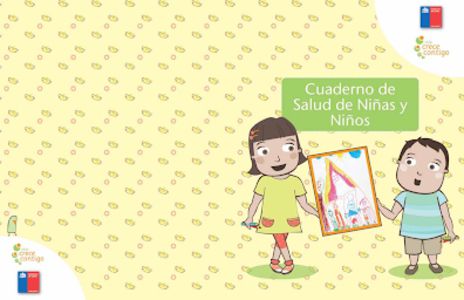
- HBRs have evolved over time in form and function - from simple cards issued in the 1800s to document proof of vaccination against smallpox to the comprehensive MNCH handbooks (rich with public health messaging as well as clinical and public health recording areas) used by some countries today. (Editor's note: See the Home-based Record Repository for access to examples from countries around the world.)
The latter theme, in particular, sparks reflection on the part of the authors about some gaps in the HBR research that could help define priorities going forward. Namely, as they explain, rarely have the evolutionary changes in HBR content and form been accompanied by evaluations aimed at understanding the impact of these changes on HBR function and MNCH outcomes. For example, the above-referenced shift toward holistic MNCH handbooks - volumes filled with text and graphics conveying health messages across numerous intervention areas - may in fact compromise readability. The content may be misaligned with the literacy levels of caregivers and, in some cases, healthcare workers. Also, graphics may not be understood if images are not vetted with a generalisable audience of end-users to ensure messages are clear. Moreover, the higher costs of these records may contribute to challenges with HBR stock availability. Thus, research is needed to test whether comprehensive MNCH handbooks are superior to alternatives and, if so, under what conditions.
This example, and others provided in the article, explain the authors' lack of surprise that the WHO HBR Guideline Development Group was unable to recommend any one HBR format over another. Meanwhile, some people believe that MNCH handbooks are superior to vaccination-only cards or vaccination-plus-growth monitoring cards because they may reduce the need for multiple records or support improved continuity of care. But the research is not there to fully back up this conviction.
Furthermore, the systematic review the HBR Guideline Development Group undertook did not identify any studies that explored whether HBR use was associated with more equitable MNCH outcomes. Nor did it find any reports of undesirable effects of HBR use, such as misuse and confidentiality breaches, among others. The authors assert that studying these potential undesirable effects of HBRs is crucial, particularly given recording of HIV testing, status, and treatment within some HBRs - a practice they say should be reconsidered, given the sensitive and potentially stigmatising and discriminatory nature of the information.
The authors reflect: "Now, after the release of the 2018 HBR guidelines,...what lies ahead for the HBR agenda?" They assert: "An expansive program of work is necessary to fill the gaps that have been identified in our understanding of HBR design, function, and implementation ([see] Box 2 [on page 4]): a combination of public health research, rapid prototyping, usability testing, and other mixed-method approaches is required. As part of the process for updating guidelines, we must promote the uptake of the identified knowledge gaps, particularly in relation to questions for which no evidence was found and questions supported by only low certainty evidence....This program of work...must not betaken on as a siloed program but as a part of a broader, ongoing effort to support the delivery of high-quality, universal primary health care to all people regardless of who they are or where they live."
In conclusion, the authors describe themselves as hopeful that the HBR knowledge base will continue to expand. While appreciative of the leadership of WHO and other institutions in the work completed to date, they call for continued and increased commitment, coordination, and resources on the part of these organisations and their country partners so as to "collectively do more to propel our knowledge of the direct and indirect roles HBRs might play in global initiatives to expand birth registration, extend the lifesaving benefits of immunization to all persons, and improve infant and young child nutrition among many other areas of maternal and child health."
Global Health Science and Practice. Mar 2019, GHSP-D-18-00431. doi: 10.9745/GHSP-D-18-00431 - sent via email from David Brown to The Communication Initiative on March 17 2019. Image credit: Home-based Record Repository
- Log in to post comments