










































What Works to Prevent HIV Among Adolescent Girls?
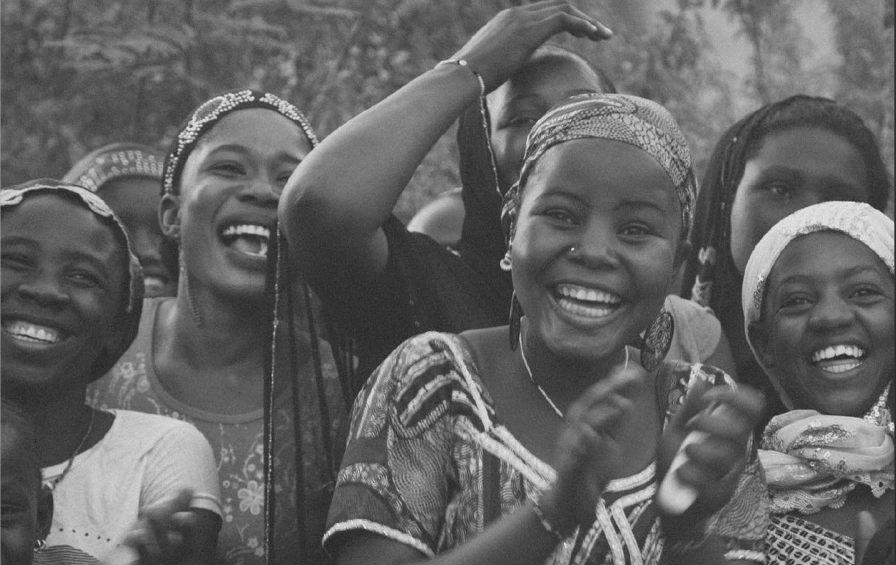
“AIDS is the leading cause of death among adolescents (aged 10-19) in ESA [East and Southern Africa]. Adolescents (aged 10-19) are the only age group in which AIDS deaths rose between 2001 and 2013.”
This brief, published by the United Nations Population Fund (UNFPA) East and Southern Africa (ESA), looks at the evidence on what works to prevent HIV infection in adolescent girls in East and Southern Africa, and provides key findings and recommendations. The literature for this review was sourced through multiple electronic databases and grey literature. It included systematic reviews, reviews, and intervention evaluations of specific HIV/sexually transmitted infection (STI) interventions conducted in ESA, and focused on adolescent girls. In total, six systematic reviews were found and summarised (four from low- and middle-income countries (LMICs), including Sub-Saharan Africa and South Africa, published between 2014 and 2015) and 26 additional papers were included.
The brief provides an overview of the situation of HIV and adolescent girls in the ESA region and what factors make them particularly vulnerable. These include societal and community/group factors, as well as relationship/household and individual factors. For example, relationship/household factors include those related to gender norms that marginalise and restrict women’s/girls’ autonomy over their own bodies and choices, as well as child marriage and vulnerability to early, coerced, and intergenerational sex. Community/group factors include: poor quality of, and access to, health/sexual and reproductive health (SRH) services and education, and socio-cultural norms that restrict communication about sex, curtail adolescent sexuality, and limit access to health services.
Following a brief outline of the gaps in evidence, the brief offers a summary breakdown (in table format) of the evidence related to HIV prevention in terms of biological outcomes, as well as other outcomes. The review also looks at some of the implementation barriers and offers strategies to overcome these barriers. The table is broken down by types of intervention which are then categorised into levels of effectiveness - effective, promising (strong evidence), promising (limited evidence), and conflicting (limited evidence).
For example, the evidence review reveals that treatment as prevention interventions are the one type of intervention that has been effective in its impact on HIV biological outcomes. "Evidence from up to 10 different reviews and studies covering more than 7 countries in Sub-Saharan Africa show that HIV treatment as prevention, in particular, oral and topical PrEP [Pre-Exposure Prophylaxis], TRAP, is effective in reducing HIV infection rates and the spread of HIV among young women." The table also outlines other types of impacts of this type of intervention, which include improved knowledge and attitudes and a decrease in risky sexual behaviour. Implementation barriers for this category include: uncertainty and ambivalence among young people to taking anti-retrovirals (ARVs) for prevention; concern about side effects of drugs; and HIV stigma associated with pill-taking. Recommended strategies include, for example, the fact that interventions must include focus on stigma and discrimination against HIV-positive adolescents.
Under promising (strong evidence), the brief cites interventions involving in-school HIV prevention education programmes. “Only 3 evaluations reviewed measured HIV biological outcomes specifically, and they did not yet demonstrate impact on HIV incidence. However, these interventions have resulted in positive changes in behaviour and in gender norms which will likely lead to HIV reduction.” Other impacts include improved adolescent-parent communication (as a result of homework focused on parent-child discussions) and improved knowledge and attitudes, as well as self-efficacy in condom use. Challenges include the focus on single topics, such as sexuality education without simultaneously addressing other risk factors, and lack of tailoring to youth developmental stages and needs. Under recommendations, the report makes the point that delivery by trained adult facilitators, multiple-session programmes, curricula that include skills, and knowledge building activities are associated with better outcomes. Interventions should also seek to reach adolescents before they are sexually active, and curricula must be age-appropriate and should stress equitable gender norms, identify what constitutes coercive relationships and consensual sex, and strengthen agency.
Under promising (limited evidence) the report cites the following intervention types: education subsidies or cash transfers to improve educational attainment; efforts to promote gender-equitable norms and address gender-based violence (GBV); out-of-school HIV prevention education; and community mobilisation programmes. For example, for interventions involving the promotion of gender-equitable norms and addressing GBV - in terms of its impact on HIV, "reduction was observed in one programme that addresses GBV. Although HIV reductions were not found in the other five reviews, they each indicated an improvement in HIV testing, treatment and care, and HIV knowledge and attitudes, which likely lead to reductions in HIV rates." Other types of impacts (other than on HIV) include improved gender attitudes and norms, and decreased social acceptability of violence. Challenges cited are lack of community participation in identifying and framing the problem/developing relevant interventions. Recommendations include: changing gender norms on a national scale, which would require adapting programmes and combining them with structural interventions, as well as relationship level interventions, community mobilisation, ‘whole-of-school’ interventions’, and microfinance combined with gender-transformative approaches. Also, the existing intervention models, designed for women of all ages, need to pay special attention to the needs of young girls. Changing gender norms requires working with boys and girls, both separately and together.
Under conflicting and limited evidence, the report cites the role of awareness raising and mass media. “No reported impact on HIV when an awareness raising and mass media intervention is implemented on its own (based on 2 reviews).” For other areas of impact, the evidence shows increased positive attitudes towards condoms, and interventions designed for adults were promising in increasing uptake of HIV testing (but only measured for adults). Challenges include the fact that internet-based programmes are not accessible to many remote communities or schools. One recommendation given is to use multiple media channels, such as a combination of television, radio, and print material, which allows interventions to reach a wider audience.
In conclusion, the brief states that “[T]he evidence conclusively shows that adopting a holistic approach that addresses the drivers of the epidemic for adolescent girls will not only be most effective in preventing HIV, but will have numerous other economic, social and health benefits. Reducing individual risk is not enough and efforts need to be made to address societal factors that increase vulnerability to HIV”.
The brief offers guiding principles for a combination approach, which include the fact that interventions should be tailored to adolescents according to age, gender, and socio-demographic factors; and address the intersectionality of adolescent risk identities (homeless youth and drug-abusing adolescents, as well as those who are orphaned and involved in sex work).
Based on the evidence of what works and on the strategies outlined to overcome the implementation barriers, the brief offers a list of recommended strategies/interventions broken down into the following four levels:
Society/create an enabling environment:
- Awareness raising and communications campaigns to change social norms
- Legal reform to allow adolescents to be HIV tested, access contraception and HIV testing and counselling (HTC) services, or participate in treatment prevention activities.
- Promoting gender equality
- Laws to protect women from violence
Community/group:
- Community mobilisation programmes
- Stigma reduction programmes
- Training health workers and other front-line service providers
- Building capacities of sexual and reproductive health and rights (SRHR) services to facilitate access to prevention treatment and care services
- Preventing GBV and child marriage and promoting girls’ empowerment
Relationship/household:
- Providing education subsidies to keep girls in secondary school
- Improving communication between adults/parents and adolescents
- Promoting gender-equitable norms and addressing violence against women
Individual:
- In-school HIV prevention education
- Out-of-school HIV prevention education
- Comprehensive sexuality education
- Providing education subsidies or conditional cash transfers to increase educational attainment
- Treatment as prevention - HIV testing, ARVs, PrEP, and TRAP
- Biomedical interventions to reduce exposure, transmission, infection
- Accessible mental health services for adolescents
UNFPA ESARO website on March 9 2017.
- Log in to post comments