










































Sexual and Reproductive Health Strategy for the SADC Region 2006 - 2015
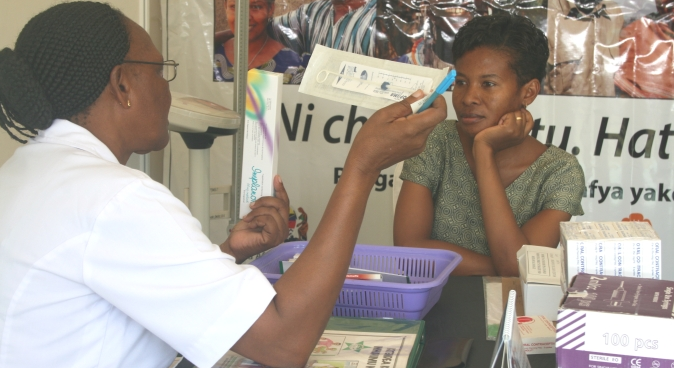
This 31-page document proposes a holistic and integrated approach to the provision of sexual and reproductive health (SRH) services in the Southern African Development Community (SADC) region. The goal of this strategy is to provide a policy framework and guidelines to attain healthy sexual and reproductive life for all SADC citizens. The Strategy advocates harmony with other protocols, strategies, and initiatives both regionally and internationally as well as increased information sharing and dissemination.
Based on the challenges in provision of reproductive health services, the strategy is designed to support actions intended to:
- strengthen the capacity of SADC Member States to deliver integrated and comprehensive SRH services;
- harmonise policies, guidelines, and protocols for the provision of SRH services in SADC;
- enhance synergy and complementarity of strategies and programmes on SRH at national and regional levels;
- enhance sharing of information, experiences, and best practices among Member States;
- ensure evidence-based, targeted and responsive policies and programmes on SRH.
and
Strategic priorities for action identified in the report include the following:
- A fully functional health system is a prerequisite for delivering good quality reproductive health services. Requirements for effective health systems may vary but some of the basic elements to be put in place include: coherent organisation and management, good health financing systems to raise adequate funds for health, and to ensure protection for financial risks and a well-functioning health information system that ensures the production, analysis, dissemination, and use of reliable and timely information.
- The SADC Audit Report on reproductive health and related mortality and morbidity identifies lack of quality of services to account for poor utilisation of services as well as poor health outcomes. Delivery of quality of services is a crosscutting theme for all areas of SRH. Basic elements of quality of care are access to commodities and supplies, relevant physical infrastructure, availability of technically competent service providers, interpersonal relations, provision of relevant information for patients of clients, and referral to other services.
- The Strategy calls for integration of different reproductive health services to maximise the effectiveness of resource utilisation. The provision of comprehensive reproductive health services through integration of STI, HIV, and AIDS into other SRH services and into Primary Health Care is promoted. For Member States facing the new challenges of increasing numbers of TB cases, there is a call for integration of TB into STI/HIV/AIDS services.
- The Strategy promotes partnerships, coordination, and joint programming and service delivery among stakeholders, namely governments, civil society, the private sector, and affected communities to ensure integrated, holistic, and comprehensive provision of SRH services.
- To mainstream gender means that the SADC secretariat will facilitate and advocate for gender integration at policy, programme, and activity levels. The State of the African Population Report of 2006 points out that achievement of the "eight MDGs will be greatly dependent on the achievement of MDG1 on poverty eradication and MDG 3 on gender equality". In the past decade, reproductive health literature has noted the growing poverty levels among women and this phenomenon is characterised by reference to "the feminisation of poverty".
- To monitor the short and long term effect of interventions for different reproductive health services, there is need to support and strengthen existing surveillance systems or to develop new ones. While Member States may have information based on surveys and small scale studies, there is a lack of a surveillance system that is for the region and covers private and public sectors. There is need for Member States to identify key reproductive health issues that need to be monitored through surveillance systems with standard data items for all countries. The Member States will need to agree on a definition of a set of indicators, tools, and processes. Surveillance systems will have to be sensitive to tracking SRH challenges among specific vulnerable groups, namely people living with HIV and AIDS or people living with disabilities.
- The implementation of this Strategic Plan will require resources. These will be in the form of human, material, and financial resources. Member States will contribute in the form of staff time and by financing their attendance at meetings where funds have not been secured. The Secretariat will be responsible for ensuring that funds are mobilised from all parties, including co-operating partners, to implement regional activities.
- Member States, to varying degrees, are implementing activities that address different aspects of sexual and reproductive health. To implement comprehensive reproductive health programmes, there is need to initiate advocacy activities for new issues (for example infertility and sub fertility issues, PLHA, OVC), and to strengthen advocacy and policy development where some activities are already in place. While Member State governments are usually the target group, communities will increasingly play crucial roles in addressing reproductive health needs of new groups coming into the scene because of HIV and AIDS.
- To enhance sharing of information, experiences and best practices among Member States
and
SADC website on May 25 2013.
- Log in to post comments