










































Scientific Community Engagement Activities in Rural KwaZulu-Natal, South Africa
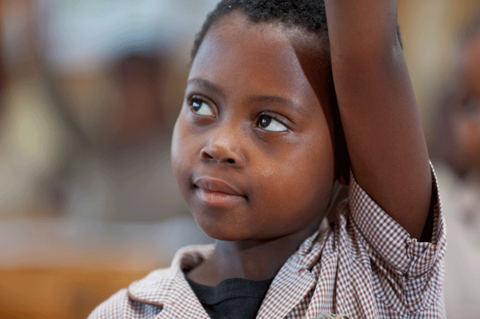
BioAfrica, Southern African Treatment and Resistance Network (SATuRN), and the Africa Centre Bioinformatics Unit use art to present scientific facts in Rural KwaZulu-Natal, South Africa. They are involved in many community engagement activities, presenting to African communities about the origin of HIV, the causes and consequences of drug resistance development, and how to successfully manage HIV and tuberculosis (TB) treatment.
One focus of this initiative is on reaching out to children and youth with scientific information in a medium that will hopefully resonate. Their graphic presentation on antiretrovirals (ARVs) (see the presentation below) features cartoons that portray HIV as a lion (Ibhubesi, Zulu translation) and CD4 cells as soldiers (Amasosha, Zulu translation). Designed to educate children, the cartoons show how ARVs make the soldiers stronger as they provide them with armour. In 2010, organisers used this presentation 3 times in primary schools (children aged 6 to 10) in the Umkhanyakude district. In 2010 and 2011, a second series of 3 presentations was delivered to the Africa Centre Community Advisory Board (CAB), which has 75 participants from the local community and traditional authority. In this series of presentations, a physician (Dr. Richard Lessells) and a researcher (Dr. Tulio de Oliveira) explained the effect of detectable viral load on immune reconstitution and drug resistance development. "The presentations were very well received and the head of the CAB asked for a full day (6 hours section) on the topic, which was very well attended by members of CAB and the community and generated great discussions."
At the end of 2010, Dr. Tulio de Oliveira presented at Grantleigh High school, in Empangeni. The idea was that academically talented students could be exposed to a scientific and cultural enrichment programme in order to inspire them as part of Africa Centre's goal of illuminating science to students. The graphical presentation explained that HIV originated from primates in West and West Central Africa and then infected humans, similar to TB from bovine in cows or buffalo, as experienced locally, in an attempt to dispel the myth that HIV was unique. This event was covered by the Zululand Observer newspaper.
In December 2011, the Africa Centre bioinformatics unit and SATuRN helped 2 social workers fund and present a summer camp workshop to adolescents failing ARVs in the clinics served by Africa Centre. The camp was attended by 22 adolescents (12-17 years) and presented over 4 days and involved many activities and presentations. The sessions included, for example, self-reflecting exercises (where teenagers were required to do introspective exercises by looking in the mirror and expressing their feelings through group discussions) and an information session about ARVs, CD4, and HIV drug resistance presented in an approachable and fun style. Also included in the programme was an HIV activist, who had lived with HIV for more than 10 years, telling his story about his life with HIV. A blog - Social Worker perspective: Adolescents on Antiretroviral (ARV) therapy - a VideoBlog - has been published that details this experience.
HIV, TB, Children, Youth
According to organisers, factors that contribute to the failure of young people/adolescents on Highly Active Anti-Retroviral Treatment (HAART) include lack of knowledge about the advantages of taking treatment and lack of knowledge about the length of time one is required to be on treatment. They say: "In fact, there are a number of factors that come into play, most of which are psychological and socio-economical in nature."
BioAfrica, Southern African Treatment and Resistance Network (SATuRN), and the Africa Centre Bioinformatics Unit
BioAfrica website, November 6 2012.
- Log in to post comments