










































Reporting on Climate Change Online Course
Image
SummaryText
"Producing stories about climate change can help improve audiences' understanding and provide them with the knowledge and skills needed to help them adapt."
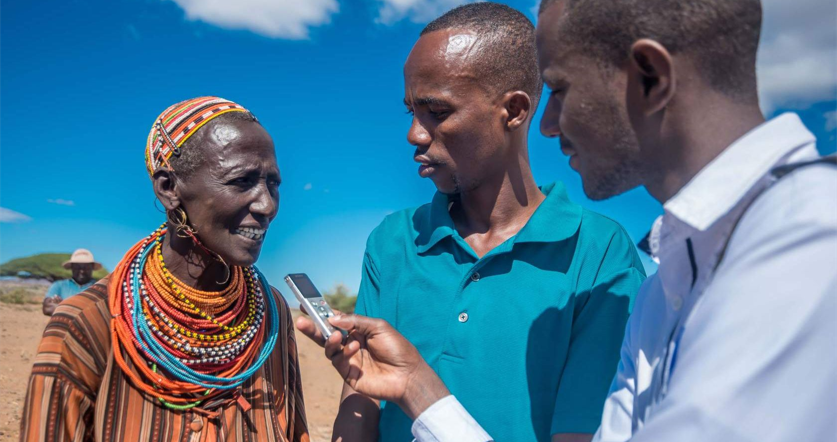
This massive open online course (MOOC), developed by BBC Media Action, seeks to help journalists understand the science behind the causes of climate change, how international organisations and communities are responding to it, and how they can cover it more effectively for their audiences. The course is intended for journalists in East Africa and is based on BBC Media Action's training work with local radio stations across East Africa.
As explained in the course introduction, "Communicating climate change is very important as increase in extreme weather events are having severe impacts on the poorest communities in the region....Climate change is severely affecting communities across Africa, as extreme weather events such as droughts and floods increase in frequency and severity. These communities need support so they can make critical decisions about their lives and livelihoods, to take action and better adapt to a changing climate."
The course has the following six modules:
This massive open online course (MOOC), developed by BBC Media Action, seeks to help journalists understand the science behind the causes of climate change, how international organisations and communities are responding to it, and how they can cover it more effectively for their audiences. The course is intended for journalists in East Africa and is based on BBC Media Action's training work with local radio stations across East Africa.
As explained in the course introduction, "Communicating climate change is very important as increase in extreme weather events are having severe impacts on the poorest communities in the region....Climate change is severely affecting communities across Africa, as extreme weather events such as droughts and floods increase in frequency and severity. These communities need support so they can make critical decisions about their lives and livelihoods, to take action and better adapt to a changing climate."
The course has the following six modules:
- Module 1: What Is Climate Change - This module is designed to help journalists understand key terms so their stories about climate change are free of jargon and easy for their audiences to understand. It includes tips on sourcing interviews with a range of experts, including scientists.
- Module 2: Responses To Climate Change - In recent decades, many agreements have been reached to respond to climate change at the national, regional, and international levels, and organisations have been created to put those agreements into practice. Scientists and communities all over the world are also working hard to reduce global greenhouse emissions and to adapt to climatic changes that are already happening. This course looks at climate change mitigation, climate change adaptation, and related key organisations and agreements.
- Module 3: Producing Stories For Multi-Platform - This module is a refresher course on journalism skills, with a focus on radio and audio. It covers methods to expand the reach of radio broadcasts via Twitter, Facebook, or YouTube and provides tips on social distribution and verifying social media content. It also looks at data journalism to support storytelling (this section of this course was developed by Code4Africa).
- Module 4: An Introduction To Solutions Journalism - This module is an introduction to the practice of solutions journalism as a way of providing East African audiences with actionable information about the impacts of climate change on the environment, the economy, and health. It will also help journalists monitor and respond to what audiences want and need to know about climate change. The solutions include renewable energy, energy efficiency, conservation agriculture, or nature-based solutions like reforestation and mangrove protection.
- Module 5: How To Engage With Your Audience About Climate Stories - This module will help journalists research and respond to audience information needs, to improve the quality of their media content.
- Module 6: Resources for Further Reading - The resources and further reading in this knowledge section are meant to help journalists research and respond to audience information needs and to improve the quality of media content.
Publishers
Publication Date
Languages
English; Swahili
Source
BBC Media Action website on March 14 2023. Image credit: BBC Media Action
PDFLink
- Log in to post comments