










































C-Modules: Module 2 - Focusing & Designing
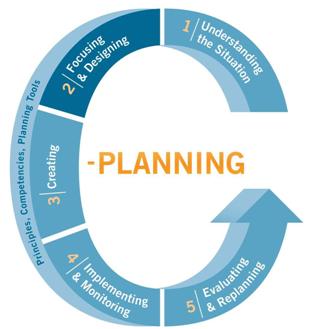
Communication for Change (C-Change), implemented by FHI 360 with support from the United States Agency for International Development (USAID), has created a learning package for facilitated, face-to-face workshops on social and behaviour change communication (SBCC). The package for communication practitioners working in development includes a series of 6 modules and accompanying facilitator guides for each module. Each module has a set of worksheets, checklists, and other tools to help practitioners use the tools in their real work settings.
This module is part of C-Modules, a Learning Package on Social and Behavior Change Communication (SBCC). It is designed to help programs focus the results of formative research/situational analysis to design an appropriate communication approach based on that analysis. It is best for participants to complete the Introduction Module and Module One - either face-to-face or online - before beginning this work. After completing this module, practitioners will be ready to create materials and interventions that strategically respond to the situation through advocacy, social mobilization, and/or behavior change communication.
The Practitioner's Handbook for C-Module 2 contains:
Session 2-1: Communication Strategy
Session 2-2: Audience Segments, Priorities, and Profiles
Session 2-3: Barriers
Session 2-4: Communication Objectives
Session 2-5: Strategic Approach and Positioning
Session 2-6: Channel Mix
Session 2-7: Draft Implementation Plan
Session 2-8: Draft Evaluation Plan and Baseline Indicators
Session 2-9: Refining your Communication Strategy
Additional References
The accompanying Facilitator's Guide for Module 2 contains:
- A proposed workshop schedule
- Facilitation activities for each session above
- A team sharing of the communication strategy conducted by each participant with feedback techniques for the facilitator and a closing activity for the module.
Participant objectives for this 2½ day module are the following:
- use the results of initial research/situation analysis to outline a complete strategy for an SBCC effort
- segment and prioritize audiences
- create communication objectives (for each audience segment) based on obstacles to change
- decide on the main key strategies (advocacy and/or social mobilization and/or behavior change communication)
- suggest a mix of communication materials and activities to achieve objectives with each audience.
This package (see related summaries below for access to the entire package, and click here for an ongoing training) is designed for staff of development programmes in small- and medium-sized organisations with varying degrees of experience in planning or implementing SBCC programmes. Facilitators may tailor each module to the profile of learners as well as to the time available. The format is designed to make it easy for facilitators to substitute examples from their own professional experience to help make the curriculum relevant for all participants.
Publishers
Practitioner's Handbook: 47; Facilitator's Guide: 18
C-Change website, January 3 2012.
- Log in to post comments